


Cold Runner Injection Molding Solutions for Efficient Manufacturing
At BillowPeak, we specialize in cold runner injection molding systems that are designed to optimize both production efficiency and material usage. Unlike traditional systems, a cold runner system allows for precise control over material flow, minimizing waste and reducing costs. Our cold injection molding solutions cater to a variety of industries, delivering high-quality parts with superior consistency.
Whether you’re manufacturing complex components or simple designs, our cold runner technology ensures that your product quality meets the highest standards. With over 20 years of experience, we offer customizable solutions tailored to your specific needs, providing cost-effective alternatives that maximize productivity without compromising on precision.
Explore how cold runner injection molding can streamline your production process and reduce operational costs. Contact us today to learn more about our efficient and sustainable molding solutions that are perfectly suited to large-scale manufacturing.
Industry-Specific Cold Runner Injection Molding Solutions
🧩 Cold Runner Injection Molding – Gate Type Comparison Table
| Gate Type | Gate Location | Gate Removal Method | Gate Vestige | Typical Applications | Advantages | Disadvantages |
|---|---|---|---|---|---|---|
| Edge Gate | Edge or center of part | Manual trimming | Noticeable | Structural parts, large components | Simple mold structure, good flow, stable filling | Large vestige, more material waste |
| Pin Gate | Side or inner wall | Automatically detached | Minimal | Multi-cavity molds, precision parts, automated production | Clean appearance, suitable for automation | Requires high machining precision, complex mold design |
| Submarine Gate | Underside or side | Breaks off inside mold | Hidden | Electronics housings, cosmetic parts | Hidden gate, automatic separation, clean part surface | High ejection force, more difficult to fine-tune |
| Fan Gate | Wide edge area | Manual or automatic | Moderate | Thin-walled, large surface parts | Uniform melt flow, reduces weld lines | Larger gate area, trimming may be more complex |
| Film Gate | Entire rim or ring | Manual trimming | Thin film | Caps, circular seals, diaphragms | Balanced filling, uniform pressure around circumference | Not suitable for automated production, requires trimming |
| Ring Gate | Bottom or interior circle | Manual trimming | Even | Cylindrical parts, bottle caps | Consistent filling, minimal deformation | Difficult to machine and trim |
| Pinpoint Gate | Center of part | Automatically detached | Very small | Micro parts, precision electronics | Tiny gate mark, ideal for high-speed molding | Risk of clogging, demands excellent material flowability |
| Side Gate | Edge of part | Manual or automatic | Noticeable | General-purpose molded parts | Easy to design and machine, widely applicable | Visible gate vestige, unsuitable for cosmetic surfaces |

Edge gates are the most commonly used gate type in cold runner injection molding. Positioned at the parting line of the mold, they are ideal for straightforward part designs and cost-sensitive projects. Edge gates offer easy flow path control and are particularly suited for medium-to-large components where minor gate vestiges are acceptable.
Typical Applications: Internal appliance components, industrial housings.

Sub gates (also known as tunnel or banana gates) are designed to automatically separate from the part during ejection, making them ideal for high-volume, automated production. Located beneath the parting line, they allow for cleaner appearance and minimal post-processing.
Typical Applications: Consumer product enclosures, automotive interior trims.

Pin gates provide a clean, centralized gate position, making them suitable for smaller parts with strict surface requirements. The pin gate leaves a minimal gate vestige and offers symmetrical material flow, enhancing dimensional stability and aesthetics.
Typical Applications: Medical device housings, precision connectors.

Tab Gate Cold Runner Molding
Tab gates are used to reduce shear stress in the melt, making them ideal for molding large parts or materials prone to degradation. The gate is typically wider, allowing controlled flow and better stress distribution across the part.
Typical Applications: Large automotive panels, appliance exteriors.

Fan Gate Cold Runner Molding
Fan gates distribute molten plastic evenly across a wide area, minimizing warpage and internal stress. This gate type is ideal for thin-walled or geometrically complex parts where uniform material flow is critical.
Typical Applications: Instrument covers, precision mechanical parts.

Diaphragm Gate Cold Runner Molding
Diaphragm gates are ring-shaped and allow material to flow symmetrically into cylindrical parts. This design ensures balanced cavity filling, uniform wall thickness, and enhanced mechanical performance for round-shaped molded components.
Typical Applications: Pressure vessels, medical vials, round caps.
6 Products Found.
✅ Cost Efficiency Without Compromising Quality
By using cold runner injection molding, manufacturers can significantly reduce tooling costs and simplify mold design, especially in high-volume production runs. It’s a cost-effective alternative for projects where cycle time and material recovery are less critical than mold affordability.


✅ Flexibility for Multi-Cavity and Material Options
Cold runner injection molding supports a wide range of thermoplastics and is ideal for multi-cavity tools, making it suitable for mass production of parts with varying complexity. Its compatibility with standard molding machines also streamlines production setup and process control.
✅ Easy Maintenance and Rapid Tool Adjustments
One of the key advantages of cold runner injection molding is the ease of mold maintenance and shorter lead times for changes. This system enables faster tooling modifications, making it a practical choice for evolving product designs and custom plastic injection molding needs.

Why Choose Billowpeak For Your Cold Runner Injection Molding?
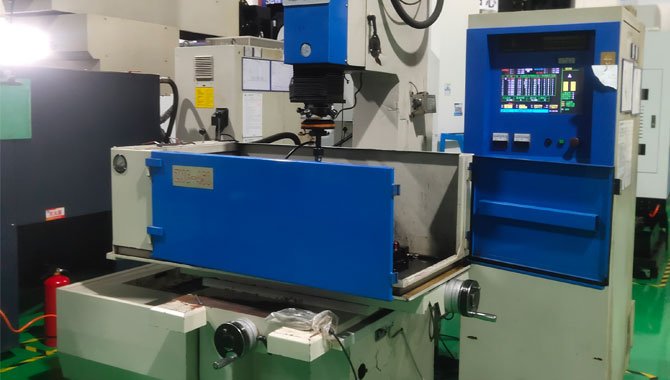

🔹 1. Deep Manufacturing Expertise That Reduces Your Risk
At BillowPeak, we don’t just produce molds — we engineer reliable, production-ready solutions with 20+ years of hands-on experience. Our team understands that in cold runner injection molding, what matters is not just cost-efficiency but process stability. That’s why every mold is built with precision tolerances, tailored flow paths, and optimized gate design, ensuring your parts come out consistent every cycle. We know how to avoid common pitfalls like unbalanced flow or excessive waste, and we proactively guide you through DFM reviews and resin selection. Whether you’re scaling up a high-volume consumer part or prototyping a new product, our engineering-first approach helps you avoid delays and downstream quality issues. Clients across industries trust us to deliver not just tooling, but peace of mind.

🔹 2. Flexible, Scalable Capacity for High-Volume Projects
We understand that timelines and part volumes shift fast. Our facility runs over 160 injection machines from 80T to 1600T, allowing seamless scalability for both pilot runs and full production. Whether your cold runner injection molding project requires single-cavity precision or multi-cavity throughput, we flex with your demand without compromising lead time or part quality.

🔹 3. Transparent, Engineer-to-Engineer Communication
Our clients aren’t looking for just a supplier — they need a partner who understands the language of manufacturing. From gate design to material shrinkage rates, our project managers speak your language and provide actionable input at every phase. For cold runner injection molding, where detail matters, we bridge design and tooling with clarity, speed, and technical accuracy.
Top 5 Industry Applications of Cold Runner Injection Molding

Automotive Industry: Durable Components
Cold runner injection molding is commonly used in the automotive industry to produce durable, small parts like connectors, clips, and brackets. The process allows for efficient production with minimal material waste, which is ideal for the high-volume needs of automotive manufacturers. Additionally, it helps reduce costs while still delivering the precision required for critical parts.

Consumer Electronics: Small, Complex Parts
In the consumer electronics industry, cold runner injection molding is perfect for creating small, intricate components such as button housings, connectors, and screen frames. This method offers great flexibility and precision, allowing manufacturers to produce high-quality parts at competitive costs. The process also ensures consistency, which is key for electronic devices that require tight tolerances.

Medical Devices: Reliable and Precise Molding
For medical device manufacturers, cold runner injection molding is a cost-effective way to produce precise and reliable components like syringes, connectors, and housings. The ability to maintain tight tolerances and high-quality standards is essential in this industry, and cold runner injection molding helps achieve that without the need for expensive tooling. This method ensures safe, high-performance medical parts.

Packaging Industry: Cost-Effective Production
In packaging, especially for products requiring small, simple parts like caps and closures, cold runner injection molding is an efficient solution. The system is ideal for producing these items in medium volumes with low initial investment. It helps reduce material waste and lowers overall production costs, making it an attractive choice for packaging manufacturers looking to optimize their processes.

Toys and Household Goods: High-Volume Manufacturing
Cold runner injection molding is widely used in the toy and household goods industries, where high-volume production of simple, durable parts is needed. This process is especially beneficial for molding small parts such as toy components, handles, and other accessories. It ensures fast cycle times, cost efficiency, and good part consistency, which are essential for these high-demand products.
Cold Runner Injection Molding Related Products


FAQS For Cold Runner Injection Molding
What is cold runner injection molding?
Cold runner injection molding is a manufacturing process where molten plastic flows through a cooled runner system to reach the mold cavities. Unlike hot runner systems, cold runners don’t require heating, making them more cost-effective. The cooled runners are discarded after molding, but the process is great for high-volume production with simpler parts, offering a balance of efficiency and reduced initial investment. This system is ideal for products with fewer complex features and a lower production budget.
What is the difference between hot runner and cold runner?
The main difference between hot runner and cold runner systems lies in how the runner channels are heated. In hot runner systems, the runner is heated to keep the plastic molten, reducing material waste and improving cycle time. In contrast, cold runner systems use unheated runners that cool down and solidify after each injection, leading to potential material waste but offering a lower initial investment cost. Hot runner systems are best for high-precision, complex parts, while cold runner systems work well for simple, high-volume products where cost efficiency is a priority.
What is a runner in injection molding?
A runner in injection molding is the channel through which molten plastic flows from the injection nozzle to the mold cavities. It is a key part of the mold design, directing the plastic material into the part’s shape. There are two types: cold runners, which cool down and solidify after each cycle, and hot runners, which keep the material molten. Proper runner design is crucial for ensuring consistent part quality, reducing waste, and optimizing cycle time in the molding process.
What is the difference between hot sprue and cold sprue?
The main difference between hot sprue and cold sprue lies in temperature management. A hot sprue is kept heated, ensuring the molten plastic stays at the right temperature as it flows into the mold cavities, which helps prevent material solidification during the process. This results in less material waste and improved cycle efficiency. On the other hand, a cold sprue is not heated, causing the plastic to cool and solidify in the sprue before the mold cavity is filled. While cold sprue systems are more cost-effective, they often lead to higher material waste and longer cycle times compared to hot sprue systems.
What is the advantage of runner less Mould?
A runner-less mold eliminates the need for traditional runners, making the system more efficient by directly injecting plastic into the mold cavities without excess material channels. The main advantages include reduced material waste, faster cycle times, and improved cost-effectiveness. Since there are no runners to cool and solidify, the molding process becomes more energy-efficient and environmentally friendly. This system is particularly beneficial for high-volume production of small, complex parts, where precision and minimal waste are critical.
What is the difference between hot and cold compression molding?
The main difference between hot and cold compression molding lies in the temperature at which the molding process occurs. In hot compression molding, heat is applied to the material to soften it before it’s compressed into the mold. This process is ideal for thermosetting plastics and composites that require heat to cure. On the other hand, cold compression molding involves compressing the material at room temperature, often used for thermoplastics or when heat is not required. Hot compression molding is typically faster and results in stronger parts, while cold compression molding can be more cost-effective and suitable for simpler applications.
How can I minimize material waste in cold runner injection molding?
Material waste in cold runner injection molding can be minimized by optimizing runner design, ensuring minimal excess material, and using techniques like cold runner recycling where possible. A well-designed runner system can significantly reduce waste and increase production efficiency.
How does cold runner injection molding affect cycle time?
Since cold runner systems don’t heat the material, the plastic tends to cool and solidify in the runner, leading to potentially longer cycle times. However, optimizing runner design and mold temperature control can help reduce cycle time and improve overall efficiency.
Will cold runner injection molding affect the quality and consistency of my parts?
Cold runner injection molding can impact part quality and consistency if not properly designed. It’s essential to ensure uniform flow and temperature control to maintain high-quality production. A well-optimized cold runner system can achieve consistent results across high-volume production.
What should I consider when designing a mold for cold runner injection molding?
When designing a mold for cold runner injection molding, key considerations include the runner layout, material flow, and the cooling system. Ensuring balanced flow to all cavities and minimizing pressure drops can improve both efficiency and product quality.
How does cold runner injection molding compare with hot runner systems in terms of cost and performance?
Cold runner systems typically have a lower initial setup cost compared to hot runner systems but may result in higher material waste and longer cycle times. For high-volume production, hot runner systems may be more cost-effective, while cold runner systems are ideal for lower-volume runs where cost savings are prioritized.
How do I handle post-molding processes for cold runner injection molding?
After the molding process, the cold runner material must be separated and discarded. Post-molding processes like trimming, cutting, and recycling the runner material can be implemented to further reduce waste and ensure smooth production operations.
What production volumes are best suited for cold runner injection molding?
Cold runner injection molding is best suited for small to medium production runs. For large-volume production, a hot runner system may be more efficient as it eliminates the waste associated with cold runners. Cold runner systems are more cost-effective for simpler parts in smaller production batches.
Send Your Inquiry Today


