


Explore Our High-Quality Injection Molds
BillowPeak is a reliable injection mold manufacturer with a focus on delivering custom injection molds for a variety of industries, including automotive, medical devices, electronics, and consumer goods. Our team of skilled injection molders is committed to crafting high-precision molds that meet your exact requirements. We specialize in the design and production of high-quality injection mold parts and components, ensuring efficient and reliable solutions for your manufacturing needs.
As an ISO 9001:2015 certified company, BillowPeak utilizes top-tier materials, such as hardened steel, pre-hardened steel, aluminum, and beryllium-copper alloy, to produce custom injection molds that deliver exceptional performance. Whether you require injection mold design for a single component or need to manage complex multi-part programs, our experienced engineers ensure that each mold is built to precise tolerances and quality standards.
Comprehensive Injection Mold Capabilities
BillowPeak offers a full suite of injection molding services, from injection mold components design and engineering to low-volume and short-run production. We are also experts in rapid prototyping and provide fast turnaround times to meet the demands of modern manufacturing. As an ITAR-compliant manufacturer, we adhere to the highest industry standards and regulations, ensuring that all molds meet both quality and compliance requirements.
Our diverse range of precision injection molds includes automotive molds, consumer tooling, unscrewing molds, high-polishing molds, two-shot molds, over-molding tooling, and insert molds. With a commitment to quality, precision, and efficiency, BillowPeak is your trusted partner in injection mold solutions.
Plastic Injection Molds Showcase
Explore our diverse range of high-quality plastic injection molds designed for various industries, including automotive, medical, and consumer goods. At BillowPeak, we specialize in custom mold solutions, ensuring precision, durability, and efficiency in every project. Browse our showcase to see how our expert craftsmanship and advanced technology can meet your production needs.

Automotive injection molds are designed for precision and durability, used to create high-performance parts for vehicles. These molds ensure tight tolerances, high-strength materials, and resistance to extreme temperatures, offering long-lasting solutions for automotive applications.

Medical injection molders produce molds for medical devices that must meet strict safety and quality standards. These molds are built for precision, reliability, and hygiene, ensuring that parts are manufactured to strict regulatory guidelines for the healthcare industry.
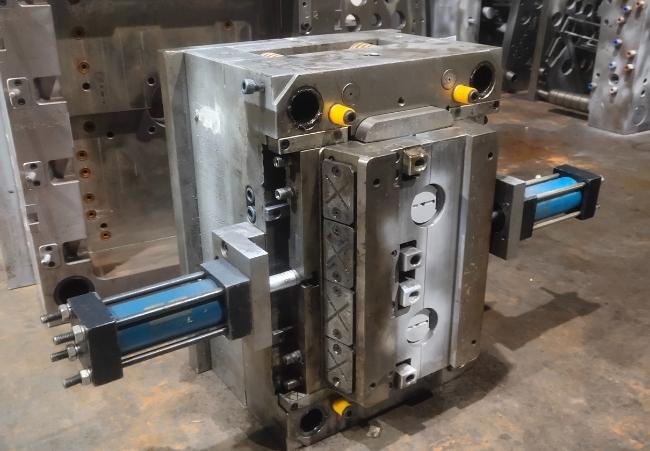
Electronics injection molding is used to create precise, intricate parts for electronic devices. These molds offer high precision for components like connectors, housings, and insulators, ensuring excellent performance, durability, and protection for electronic products.

Industrial injection molds are designed to produce robust and durable parts for heavy-duty machinery and equipment. These molds handle a wide range of materials and are engineered for high-volume production, meeting the demanding performance and reliability needs of industrial sectors.

Double injection molds allow the creation of multi-material or multi-color parts in one molding process. This technique is perfect for producing parts with distinct characteristics, such as soft-touch coatings or multiple colors, offering high efficiency and design flexibility.
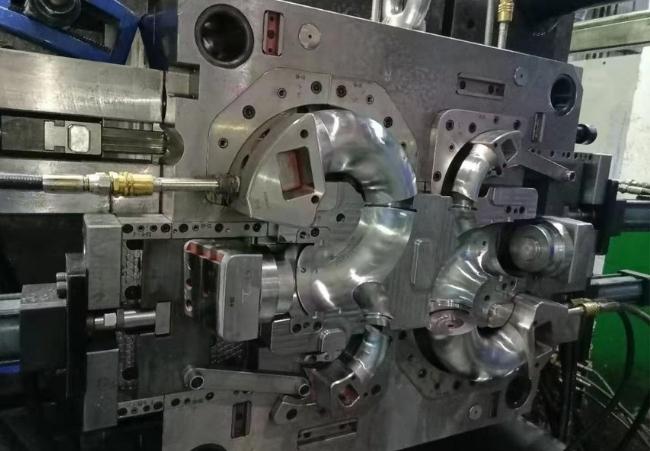
LSR injection molds are used for liquid silicone rubber molding, ideal for flexible, biocompatible components. These molds ensure precise molding of silicone parts for applications in medical, automotive, and consumer goods, offering durability, flexibility, and high-performance characteristics.
For More Information
To meet clients’ personalized requirements, we provide on-demand customization services. We deeply understand our clients’ brands and products, collaborating closely with them to tailor display racks that showcase their unique styles and features.
-

PEEK injection molding produces high-performance components with excellent chemical, heat, and wear resistance. Ideal for demanding applications in aerospace, automotive, and medical industries, PEEK offers exceptional strength and dimensional stability.
-
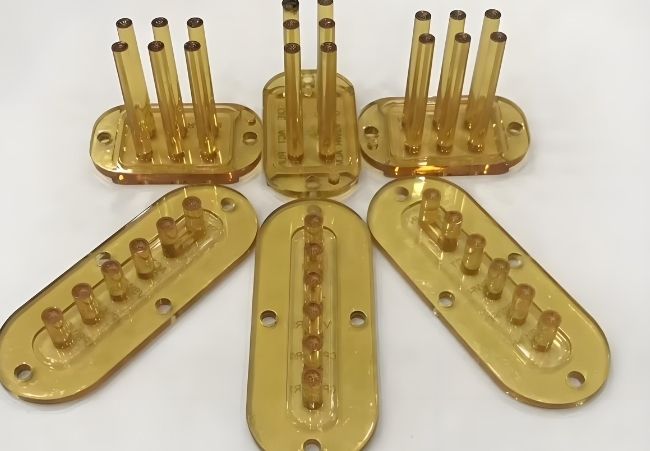 PEI Injection Molding
PEI injection molding creates durable, high-strength parts with excellent thermal stability. Used in industries like aerospace and electronics, PEI provides outstanding electrical insulation, flame resistance, and dimensional stability under high temperatures.
-
 PPSU Injection Molding
PPSU injection molding offers parts that are resistant to high temperatures, chemicals, and mechanical stress. Ideal for medical, automotive, and industrial applications, PPSU provides strong, durable components with excellent dimensional stability.
-
 Nylon Injection Molding
Nylon injection molding is used to create tough, wear-resistant parts that offer excellent strength, flexibility, and chemical resistance. Ideal for automotive, industrial, and consumer goods applications, nylon provides long-lasting durability.
-
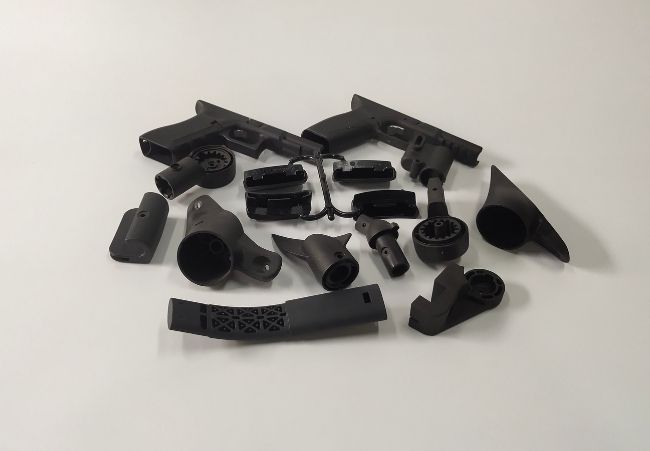 ABS Injection Molding
ABS injection molding is used to create parts that are strong, impact-resistant, and easy to process. Common in automotive, consumer electronics, and appliance industries, ABS offers excellent surface finish, dimensional stability, and versatility in design.
-
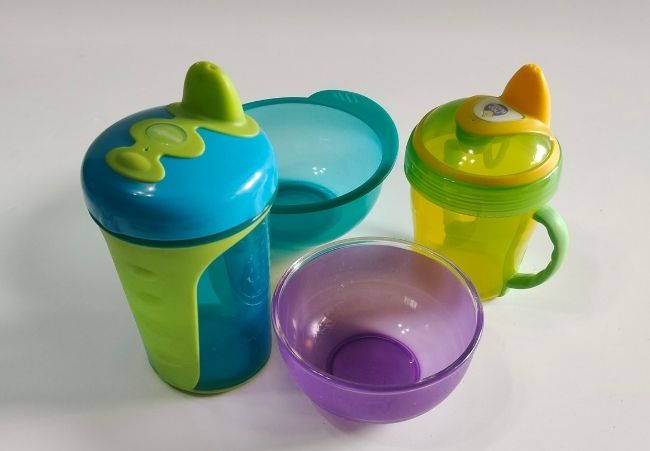 TPE Injection Molding
TPE injection molding is used to produce flexible, soft-touch components that combine the benefits of rubber and plastic. Ideal for automotive, medical, and consumer goods, TPE offers excellent elasticity, durability, and ease of processing.
-
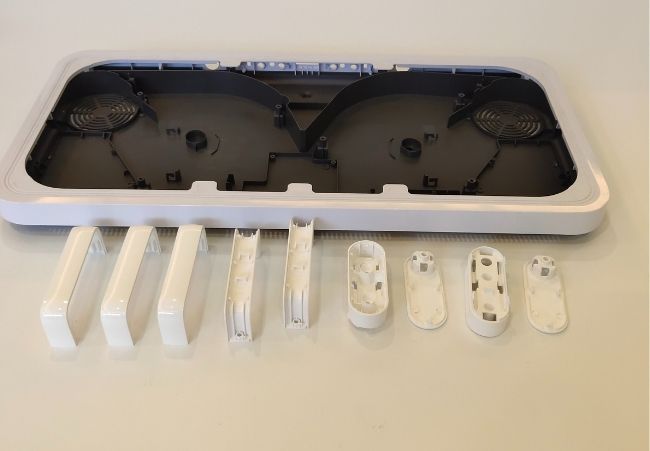 PP Injection Molding
PP injection molding produces lightweight, cost-effective parts with excellent chemical resistance, making it ideal for packaging, automotive, and consumer products. PP offers high durability, impact resistance, and flexibility for various applications.
-
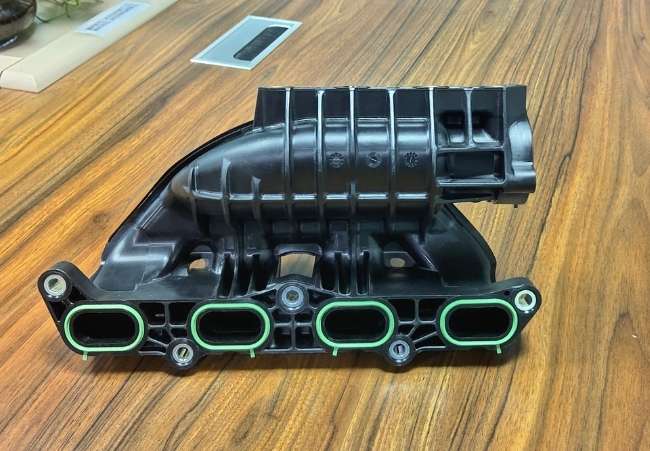 PBT Injection Molding
PBT injection molding produces durable, chemically resistant parts with excellent dimensional stability and high heat resistance. Ideal for electrical components, automotive, and consumer goods, PBT offers superior performance under extreme conditions, providing reliability and strength.
Special Injection Mold Case at BillowPeak
-

Gas assisted injection molding is a technique that uses gas pressure to create lightweight, strong parts with complex internal structures. This process reduces material use and cycle times, making it ideal for automotive, consumer goods, and industrial applications, ensuring cost-efficiency and durability.
-
 Overmolding
Overmolding involves injecting a second material over an existing part, combining rigid and flexible materials in a single piece. This technique is used to enhance part performance, improve ergonomics, and provide soft-touch surfaces, widely used in automotive, medical, and consumer electronics.
-
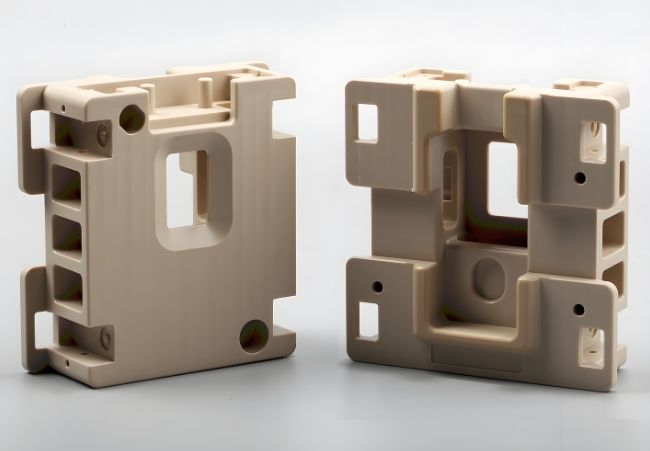
Rapid prototyping injection molding enables quick and cost-effective production of prototype parts, allowing fast iteration in product development. Ideal for low-volume production and design verification, this process helps accelerate time-to-market for industries like automotive, medical, and electronics.
WHY BillowPeak?

our engineering team have more than 10 years experiences

most of the equipments are imported from Japan

we provide from concept design to come to truth one stop service

we keep in touch with customers after received the molds
Professional Injection Mold Design Team
Our professional injection mold design team combines extensive industry experience with cutting-edge software to create precise, efficient molds. We specialize in custom designs for various industries, ensuring high-quality, cost-effective solutions that meet your production needs.


Advanced Injection Mold Machining Equipments
BillowPeak utilizes advanced injection mold machining equipments, including high-precision CNC machines and 3D modeling tools, to ensure the creation of durable and precise molds. Our state-of-the-art equipment delivers superior quality, reducing lead time and improving overall production efficiency.
Rich Skills Injection Mold Manufacturing
With over 20 years of experience, our rich skills injection mold manufacturing process guarantees high-quality, durable molds. We use a combination of advanced technology and expert craftsmanship to deliver customized solutions for industries such as automotive, medical, and consumer goods.

Injection Mold Manufacturing Department


At BillowPeak, our plastic injection mold factory is equipped with advanced workshops that reflect our strength as a leading plastic injection mold manufacturer. Our grinding workshop ensures precise finishing, enhancing the mold’s performance and longevity. In the machining workshop, we produce complex parts with high accuracy, while the CNC workshop delivers intricate designs with tight tolerances. The wire EDM workshop excels in crafting fine, detailed features, and the precision EDM workshop refines molds to optimize functionality. As a trusted plastic injection mold maker, we seamlessly integrate these specialized processes to deliver top-tier plastic injection mold design and manufacturing solutions to our clients.
People Also Ask
Injection molding is a manufacturing process where molten plastic is injected into a mold to form products, then cooled and solidified for final use. It’s efficient and widely used for mass production.
A simple injection mold typically costs between $1,000 to $5,000, depending on complexity, size, and material. More intricate molds with multiple cavities or special features can cost significantly more.
Both “injection mold” (American English) and “injection mould” (British English) are correct. The difference lies in regional spelling, with “mold” used in the U.S. and “mould” in the U.K. and other countries.
Injection molding can be costly for small production runs due to high initial mold costs. It’s also limited to certain materials and may have issues with part defects, like warping or uneven cooling.
An injection mold technician sets up, operates, and maintains injection molding machines. They troubleshoot mold issues, ensure proper temperature and pressure, and inspect parts for quality during production.
The lifespan of an injection mold depends on factors like material, usage, and maintenance, but it typically lasts between 500,000 to 1 million cycles. Proper care can extend its life, while neglect can shorten it.
The most commonly used injection mold is the single-cavity mold, which produces one part per cycle. It’s cost-effective for small to medium production runs and is widely used for manufacturing simple parts.
The best plastic for injection molding depends on the application, but common choices include ABS, polypropylene (PP), and polycarbonate (PC). ABS offers durability, PP is lightweight and chemical-resistant, and PC is strong and heat-resistant.
Injection Molds Are Widely Used Across Various Industries

Injection molds are used to create components like dashboard parts, interior panels, and bumpers for automobiles, ensuring high precision and durability.
Injection molds are used for producing housings for electronic devices, such as smartphones, laptops, and cameras, offering excellent finish and tight tolerances.

Injection molds create components for medical devices like syringes, IV connectors, and diagnostic instruments, meeting strict quality and regulatory standards.

Components like housings, covers, and handles for appliances like refrigerators, blenders, and washing machines are made using injection molding.

Injection molds produce lightweight, high-strength parts for aerospace applications, including panels, brackets, and enclosures, ensuring precision and reliability.

Injection molds produce parts for industrial machinery and equipment, such as gears, valves, and housing, offering strength and resistance to wear.

Related Product


Injection molds are costly because they require precision, specialized materials, and intricate design and production processes to ensure their durability and consistent output of high-quality parts.
Here’s a breakdown of the key factors contributing to their high cost:
Material Costs:
Molds are often made from high-grade steels or alloys, which can be expensive, especially for large or intricate designs. The choice of material significantly impacts the mold’s performance and cost.
Design and Engineering:
Developing a functional mold involves advanced design expertise and sophisticated software tools, adding to the cost of engineering the mold to meet specific performance standards.
Precision Machining:
Manufacturing a mold requires tight tolerances to ensure uniformity in the produced parts. Achieving this level of precision demands specialized equipment and skilled labor, which drives up costs.
Mold Size and Complexity:
Larger molds with multiple cavities or intricate features take more time and materials to fabricate. More complex designs naturally result in higher production costs.
Tooling Lifetime:
The mold must endure high temperatures and pressures during production. To withstand these conditions, molds are built from durable materials, requiring robust construction and careful maintenance, all of which add to their cost.
Skilled Labor:
Designing, building, and maintaining molds requires highly skilled professionals, which adds to the overall cost due to the specialized knowledge and training involved.
Testing and Quality Control:
Extensive testing and quality assurance are critical to ensure the mold functions as intended and produces parts that meet high-quality standards. This process also contributes to the overall expense.
High Pressure and Durability:
Molds need to handle repeated cycles of injection molding at high pressures without degradation. To achieve this, they are made from premium materials, ensuring they maintain their structural integrity over time.
Many manufacturers prefer injection molding because:
-
It enables the production of complex shapes with precise tolerances.
-
It supports a variety of materials and colors for diverse applications.
-
The process is highly efficient, making it suitable for large production runs.
-
It offers consistent repeatability and reliability for high-quality parts.
-
Material can be recycled, reducing waste and costs.
However, there are some drawbacks:
-
Start-up costs can be significant due to the need for high-quality molds and specialized machinery.
-
Initial lead times can be long, as molds must be designed, tested, and manufactured before production can begin.
The 5 Essential Steps of Injection Molding:
Step 1: Clamping – The mold is securely closed and clamped to withstand the injection pressure.
Step 2: Injection – Molten plastic is injected into the mold cavity under high pressure.
Step 3: Cooling – The plastic is allowed to cool and solidify, taking the shape of the mold.
Step 4: Ejection – The solidified part is ejected from the mold.
Step 5: Inspection – The molded part undergoes quality control checks to ensure it meets specifications.
Injection molding was invented by John Wesley Hyatt in 1872. He developed the process as part of his work with a new plastic material called celluloid, which he used to produce buttons and other molded items. This process laid the foundation for modern injection molding techniques.
Qualifications Needed for Injection Molding Operator:
To become an injection molding operator, you typically need:
a. A minimum diploma in Mechanical Engineering or Tool & Die Making.
b. Having the above educational qualifications can provide an advantage in securing internship or trainee operator positions at injection molding companies.
It depends on the application. 3D printing excels in low-volume production and rapid prototyping due to its flexibility and no need for expensive molds. It’s ideal for complex, custom parts and fast iterations. However, for high-volume manufacturing, injection molding is often more cost-effective and efficient, as it produces parts faster once the mold is created. Injection molding also offers better material choices and higher part strength in mass production. So, it really comes down to production volume and the complexity of the parts you’re making.


