


Professional Nylon Injection Molding Service
At BillowPeak, we specialize in high-precision nylon injection molding, offering customized solutions that meet the needs of various industries. With over 20 years of experience in injection molding and a commitment to quality, we provide clients with high-performance, durable parts made from PA66, Nylon 6, and other specialized nylon materials. Our state-of-the-art facilities and expertise in mold design, material selection, and injection molding ensure that your project is completed with superior accuracy, consistency, and efficiency. Whether you need complex geometries, tight tolerances, or high-volume production, BillowPeak is the trusted partner for your nylon molding needs.
Product Categories
| Material | Shrinkage Rate | Density | Recommended Mold Steels | Mold Temperature | Applications |
|---|---|---|---|---|---|
| PA6 (Nylon 6) | 1.0%–1.5% | 1.13 g/cm³ | SKD61, S136 | 100°C–140°C | Textiles, automotive components, electrical and electronic parts, mechanical components |
| PA66 (Nylon 66) | 1.5%–2.0% | 1.14 g/cm³ | SKD61, S136 | 100°C–140°C | Automotive components, electrical and electronic parts, mechanical components |
| PA610 (Nylon 610) | 1.2%–1.8% | 1.10 g/cm³ | SKD61, S136 | 100°C–140°C | Automotive components, electrical and electronic parts, mechanical components |
| PA12 (Nylon 12) | 0.5%–1.0% | 1.01 g/cm³ | SKD61, S136 | 100°C–140°C | Automotive components, electrical and electronic parts, mechanical components |
| PA66+30%GF (Glass-Fiber Reinforced Nylon 66) | 0.3%–0.8% | 1.35 g/cm³ | H13, 8407 | 100°C–140°C | Automotive components requiring enhanced mechanical properties, electrical and electronic parts |
| PA6+30%GF (Glass-Fiber Reinforced Nylon 6) | 0.3%–0.8% | 1.30 g/cm³ | H13, 8407 | 100°C–140°C | Automotive components requiring enhanced mechanical properties, electrical and electronic parts |
Key Considerations:
-
Shrinkage Rate: The shrinkage rate varies among different Nylon types and is influenced by factors such as glass fiber reinforcement. Glass-fiber reinforced Nylons typically exhibit lower shrinkage rates, enhancing dimensional stability.
-
Density: Glass-fiber reinforced Nylons have higher densities due to the incorporation of glass fibers, which contribute to increased mechanical strength and stiffness.
-
Recommended Mold Steels: Selecting appropriate mold steels like SKD61, S136, H13, or 8407 is crucial for ensuring mold durability and performance, especially when processing reinforced Nylons.
-
Mold Temperature: Maintaining optimal mold temperatures within the specified range is essential for achieving desired material properties and ensuring efficient processing.
-
Applications: Each Nylon variant is chosen based on specific performance requirements:
-
PA6 and PA66: Ideal for general-purpose applications requiring a balance of mechanical properties.
-
PA610: Suitable for applications demanding lower moisture absorption and improved dimensional stability.
-
PA12: Chosen for its flexibility and low moisture absorption, making it suitable for flexible applications.
-
Glass-Fiber Reinforced Nylons (PA66+30%GF, PA6+30%GF): Provide enhanced mechanical strength and stiffness, suitable for demanding applications in automotive and electrical sectors.
-

PA66, also known as Nylon 66, offers superior mechanical properties, including high tensile strength, impact resistance, and durability. It’s ideal for applications requiring tough, long-lasting parts that can withstand harsh environments and extreme temperatures. Our PA66 injection molding services are designed to meet the highest industry standards for performance, with precision in every mold.

Nylon 6 is a versatile material with great flexibility, wear resistance, and high strength. It’s ideal for parts exposed to high friction and extreme pressure. With our Nylon 6 injection molding services, we offer precision manufacturing of durable components for automotive, electronics, and industrial applications, ensuring high-performance results every time.

For industries demanding the highest material performance, we offer high-performance nylon injection molding solutions. This includes a variety of nylon grades with enhanced properties such as improved heat resistance, chemical resistance, and low moisture absorption. Perfect for automotive, aerospace, and medical device components that need to endure high stress and harsh environments.

BillowPeak specializes in custom nylon plastic injection molding, allowing us to create tailored solutions for your unique requirements. Whether you need complex geometries, specific mechanical properties, or high-volume production, our skilled engineers will work closely with you to produce precision nylon components that meet your exact specifications.

Nylon parts are widely used in the automotive industry due to their light weight, durability, and resistance to wear and chemicals. We manufacture nylon components for both interior and exterior applications, ensuring they meet the rigorous standards required for the automotive sector.

Nylon is often used in electronic components due to its high strength-to-weight ratio, heat resistance, and excellent electrical insulating properties. BillowPeak produces precision nylon parts for electronic devices, ensuring high durability and performance even under challenging conditions.
Superior Durability for High-Performance Applications
Nylon parts are known for their excellent mechanical strength, wear resistance, and durability. BillowPeak’s nylon injection molded parts can withstand harsh conditions, making them perfect for high-performance applications like automotive, aerospace, and industrial uses.


Cost-Effective and Scalable Production
With advanced technology and efficient manufacturing processes, we can produce high-quality nylon parts at competitive prices. Whether you need small-scale prototypes or large-volume production, BillowPeak’s flexible manufacturing solutions help optimize costs and lead times.
Highly Customizable Designs
BillowPeak’s nylon injection molding services allow for a wide range of part designs, from simple geometries to intricate and complex shapes. Our design capabilities ensure that you get the exact part you need for your application, no matter the complexity.

What is Nylon Injection Molding?


Nylon injection molding is a manufacturing process in which molten nylon plastic is injected into a mold to create a part with precise dimensions and properties. Nylon, particularly PA66 and Nylon 6, is a highly durable, wear-resistant material widely used in various industries such as automotive, electronics, medical devices, and consumer goods. This molding process is preferred for creating parts with complex geometries, high mechanical strength, and consistent quality, making it a reliable choice for high-performance components.
Nylon injection molding is especially advantageous for large-scale production due to its ability to produce high-volume parts with minimal waste and consistent material properties. The nylon material is typically chosen for its excellent balance of strength, flexibility, heat resistance, and electrical properties, making it ideal for applications that demand durability and reliability.
Why Choose BillowPeak for Nylon Injection Molding?

With over 20 years of experience in the injection molding industry, BillowPeak is well-equipped to handle the most demanding nylon injection molding projects. Our team of engineers and designers has deep expertise in working with a range of nylon materials, including PA66 and Nylon 6, to deliver parts that meet the highest industry standards for strength, precision, and durability.

Our advanced injection molding machines and state-of-the-art facilities enable us to produce complex, high-precision nylon parts efficiently. We utilize the latest molding technology, including temperature-controlled mold systems and automated processes, to ensure consistency, quality, and cost-effectiveness in every project.
Top 5 Key Applications of Nylon Injection Molding Across Industries

Nylon injection molding is pivotal in the automotive sector, producing components like engine covers, fuel lines, and air intake manifolds. Nylon’s high strength, thermal stability, and chemical resistance make it ideal for these applications, ensuring durability under the hood.
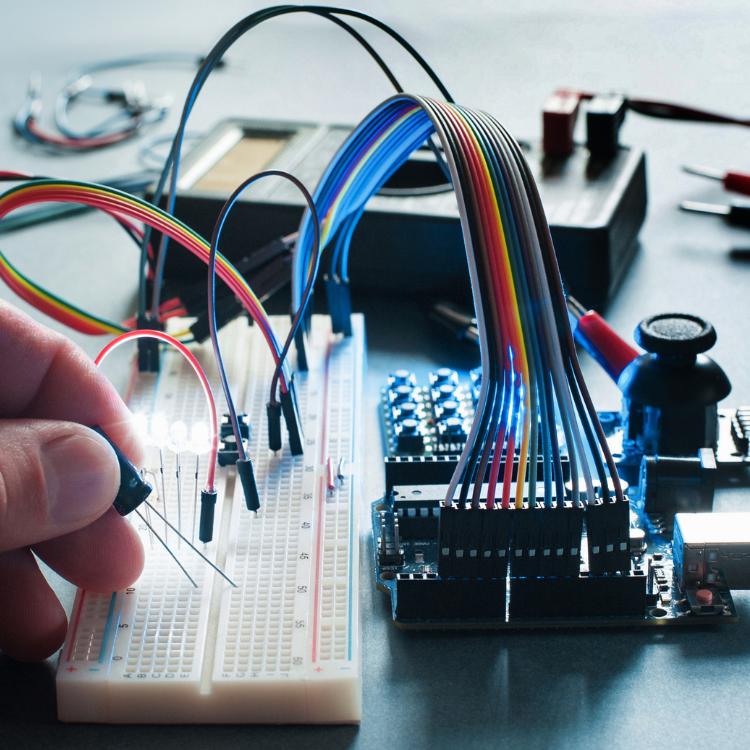
In the electrical and electronics industry, nylon injection molding is employed to manufacture connectors, switches, and enclosures. Nylon’s excellent insulating properties and heat resistance contribute to the safety and reliability of electronic devices.

Nylon injection molding is utilized in industrial machinery for producing gears, bearings, and rollers. Nylon’s wear resistance and mechanical strength are essential for components subjected to continuous stress and movement.

The medical sector benefits from nylon injection molding in creating surgical instruments and device housings. Nylon’s biocompatibility and sterilization compatibility make it suitable for stringent medical environments.

In marine environments, nylon injection molding is used for parts like rudder bushings and anchor rollers. Nylon’s resistance to wear, corrosion, and its lightweight nature make it ideal for withstanding harsh sea conditions.

Professional Custom Plastic Injection Mold Manufacturing Cases


Related Product


Nylon Injection Molding: Common Questions Answered
Explore the most frequently asked questions about nylon injection molding, from temperature settings to material differences. Gain insights into how to optimize your nylon injection molding process for better results and long-lasting, high-quality parts. Whether you’re new to nylon injection molding or an experienced manufacturer, our answers provide the key information you need to make informed decisions.
Yes, nylon can indeed be injection molded. It is a versatile thermoplastic that offers high strength, wear resistance, and excellent dimensional stability. Nylon injection molding is used to produce durable, complex parts across various industries such as automotive, electronics, and consumer goods. To achieve the best results, it’s essential to properly control moisture content in the material before molding.
When selecting nylon for injection molding, Nylon 66 (PA66) is often preferred due to its excellent balance of mechanical strength, heat resistance, and processability. It offers superior wear resistance and maintains dimensional stability under various conditions. However, it’s essential to assess specific application requirements, as other nylons like Nylon 6 or Nylon 12 may offer benefits such as improved impact resistance or flexibility. Additionally, proper moisture control during processing is crucial to prevent defects and ensure optimal material performance.
Nylon 46 (PA46):
-
Melting Point: Approximately 295°C, suitable for high-temperature applications.
-
Crystallinity: Higher crystallinity leads to improved heat resistance and mechanical strength.
-
Applications: Ideal for automotive engine components, transmission systems, and electronic connectors requiring high thermal stability.
Nylon 66 (PA66):
-
Melting Point: Around 260°C, appropriate for medium-temperature environments.
-
Mechanical Properties: Offers excellent tensile strength, rigidity, and wear resistance.
-
Applications: Commonly used in automotive parts, electrical housings, and industrial components where strength and heat resistance are essential.
Nylon injection molding typically requires the following temperature ranges:
-
Melt Temperature: 230°C to 280°C (446°F to 536°F) for unfilled Nylon, and 250°C to 300°C (482°F to 572°F) for glass-filled Nylon.
-
Mold Temperature: 80°C to 90°C (176°F to 194°F) is generally recommended. Higher mold temperatures can be used for parts requiring high crystallization.
Exceeding 330°C (626°F) should be avoided to prevent material degradation. Proper temperature control is crucial for achieving optimal material properties and part quality.
The best temperature for nylon depends on the specific application, but generally:
-
Melt Temperature: For unfilled Nylon, the optimal melt temperature is between 230°C to 280°C (446°F to 536°F). For glass-filled Nylon, it typically ranges between 250°C to 300°C (482°F to 572°F).
-
Mold Temperature: Ideal mold temperature ranges from 80°C to 90°C (176°F to 194°F). Higher mold temperatures are often used for parts requiring higher crystallinity, which improves strength and heat resistance.


